When you live in a community that went from zero cannabis provisioning centers to a half dozen in less than two years’ time, you know that people are testing the weed waters.
The City of Muskegon adopted a land use ordinance that allows not only cannabis provisioning centers, but grow operations, processing, testing and transporting. Under the adult-use rules microbusinesses, special events and consumption lounges are also allowed.
It’s one of the most inclusive cannabis ordinances on this side of Michigan.
There’s a term used in public health that you might not be familiar with—harm reduction.
Harm reduction is a set of strategies and ideas that are aimed and reducing the negative consequences that might come from drug use. It’s not about trying to get people to stop using drugs (or alcohol for that matter) but helping people understand their limits, the consequences of using substances. It’s what public health departments have done for years—discouraged under-age drinking, teen smoking, all age drinking and driving and promoting safe sex to prevent HIV.
Public health has been at the forefront of dozens of harm reduction efforts over the years. Cannabis is no different.
Canna Communication approached Public Health-Muskegon County (PH-MC) about harm reduction efforts and asked if they needed any communication help from a communication professional and cannabis insider.
So much of what people see generated from public health entities are negative when it comes to cannabis. We know that at some point negative advertising doesn’t work, it turns people off and doesn’t deliver the intended message. The Michigan Department of Health and Human Services (MDHHS) created a series of anti-cannabis videos in early 2020 which stirred up cannabis activists from across the state—the outcry about the portrayal of a cannabis consumer was so filled with stereotypes and cliches that MDHHS pulled the video series despite having spent $330,000 on the campaign. We’ve spotted random billboards throughout Michigan created by local health departments that are making an effort to disparage cannabis, consumers, and the industry—and they’re doing it with medical cannabis funds.
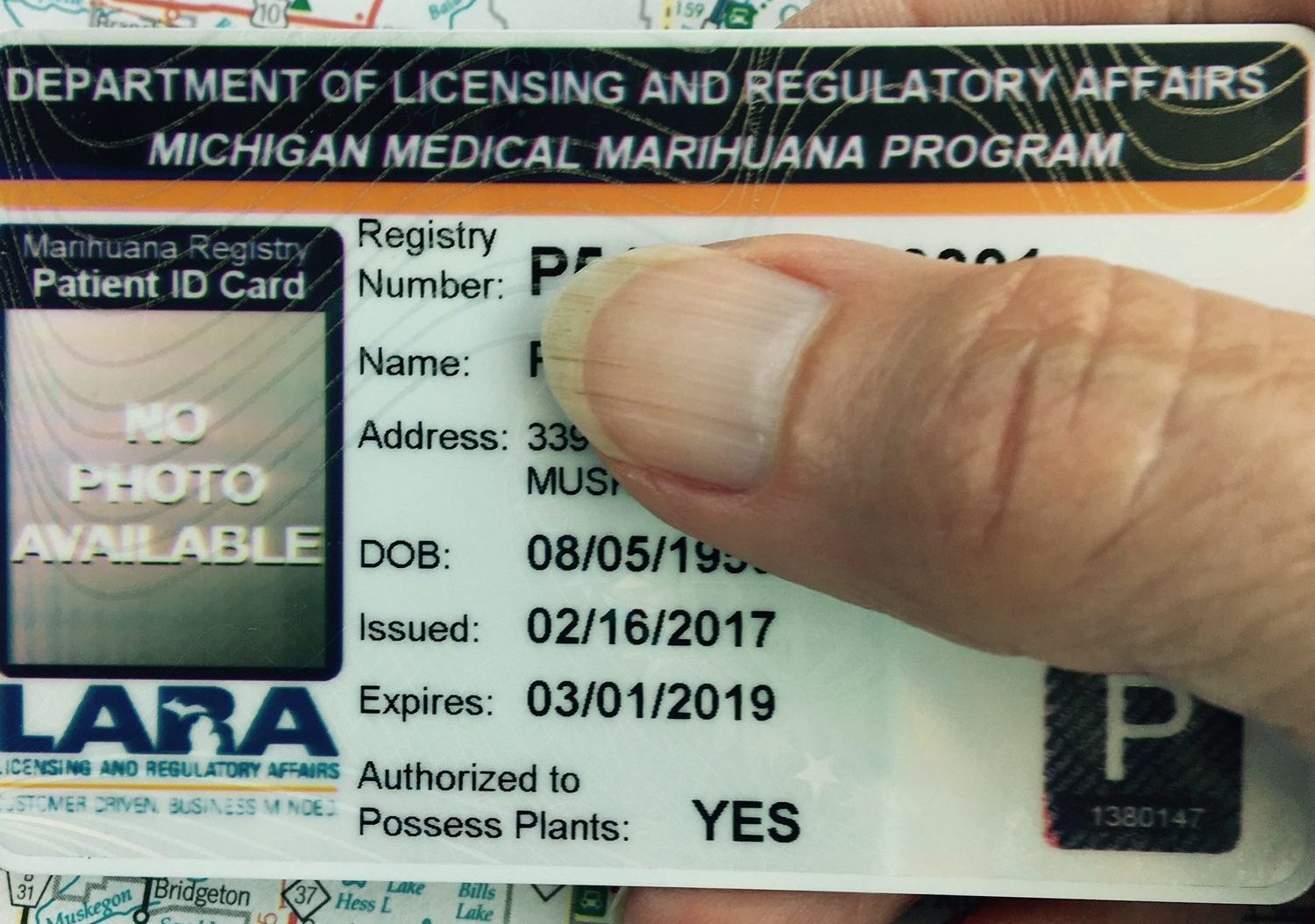
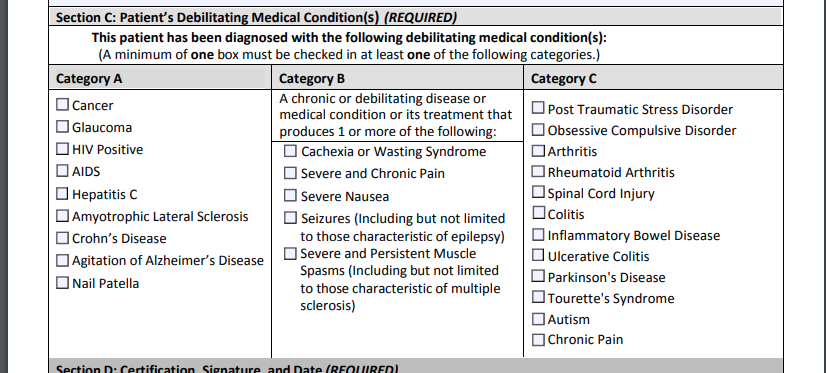
Every year, local county entities are able to apply for funds from the State of Michigan for marijuana prevention education. The funds are derived from fees collected by the State from medical marijuana cards. Each county in Michigan can apply for funds and the dollar amount is based on how many people in that county hold medical marijuana cards—so the more cards, the more money that’s available.
Prior to the passage of Prop 1 which legalized cannabis, many county sheriff’s departments applied for funds and used it for marijuana law enforcement. With legalization, law enforcement has backed off from applying and some county health departments have taken advantage of the pool of funds.
Canna Communication began working with PH-MC in the winter of 2020 with a research project to find out how parents who consume cannabis talk with their kids about use of the drug. That primary research with about 100 people from across Michigan helped us understand that science, honesty and facts were the most effective way to get a message across. Sure, we had an agenda—discourage kids from using cannabis and for parents to take care to keep cannabis from young people.
The grant that PH-MC received was used in a four-part effort focused on encouraging youth to avoid cannabis via their parents’ input, discouraging pregnant women from using cannabis, safe consumption of edibles and information about driving and cannabis. We created a simple website with information that was fact-based and not meant to deceive or mislead people about cannabis. The website is a starting point for ongoing campaigns in those four areas—we can add information as it becomes available to use it as a home base for our efforts. We used social media and digital geofencing to spread the word.
Working With Muskegon’s Cannabis Provisioning Centers
Once a cannabis business enters a community, it’s important for people there to understand the facts about the product, the risks involved and how to be a responsible consumer. Most provisioning centers (aka marijuana dispensaries) educate their budtenders and customers about the products they’re buying and start slow and go low is a common phrase that’s used to advise newcomers about cannabis edibles.
PHMC also partnered up with four Muskegon-area provisioning centers—Park Place Provisionary, Cloud Cannabis, Bella Sol Wellness and Redbud Roots and provided pre-printed customer bags and social media materials regarding the safe consumption of edibles. It’s one way to meet cannabis users where they’re at.
Michigan voters made legal cannabis the law of the land, but the tone by which we educate people about cannabis is up to interpretation. Providing the facts with balanced information and avoiding judgment is the surest communication strategy.
For more information about this campaign give Canna Communication a call.
Feature photo by Botanical Rising on Unsplash

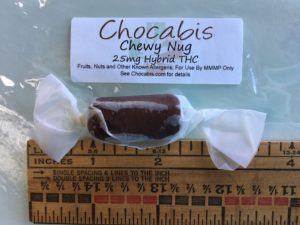
 piece is 10 mg, which is easy to understand. A trail bar might have 80 mg, which you need to cut into right size pieces. With something crumbly, this can be a challenge. Err on the side of caution and try a smaller portion as opposed to larger. If you’ve never consumed edibles, test a piece that is 5 mg or even less. Do not eat any more until 90 minutes have passed since your first bite.

 to visit a provisioning center for your meds. You can find one close to you on Leafly or Weedmaps. We have a blog post about
 (Colorado, California, Nevada, Oregon, Washington, Alaska, Maine, Vermont, Massachusetts and the District of Columbia) until the whole country ends prohibition You can also head to Canada for a nice vacation, the whole country will be recreational legal starting on October 17, 2018. This also applies to people flying. While the TSA isn’t looking for cannabis, it is still illegal to bring it across state lines.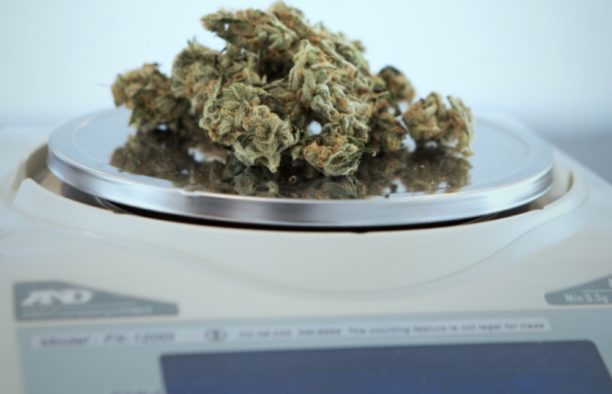
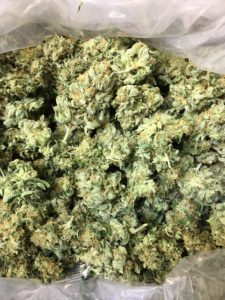 caregiver isn’t as easy as walking into a provisioning center though. In all likelihood, you’ll need to know someone who grows cannabis and is accepting patients. If you don’t know someone, you’ll need to ask around. In Michigan, caregivers are limited to 5 patients so it can be challenging to find someone who is accepting patients. You’ll want to see their plants, as about their growing processes and talk with them about the strains you can buy from them. You’ll want a caregiver who grows and processes what you need. If you go the provisioning center route, below are some tips so you can look like you’ve been doing it for years.
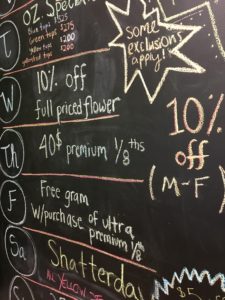 few choices in edibles or tinctures or



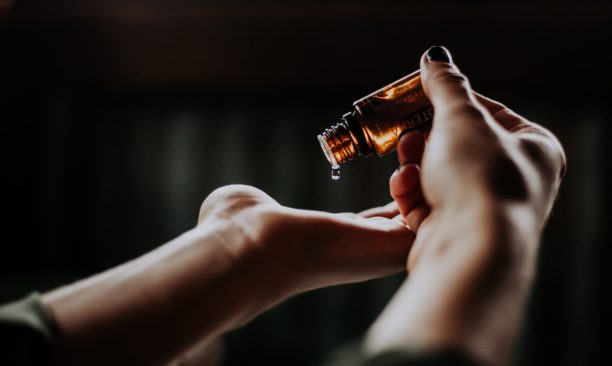
 CBD comes from two sources, both in a cannabis sativa plant. The male cannabis sativa is also known as hemp. Hemp isn’t psychoactive. You can’t smoke or ingest hemp and get high. While both marijuana and hemp contain CBD, the CBD purchased from public shops and online is from hemp. If you’re feeling wronged—hold on! There isn’t much difference between CBD derived from hemp and CBD from marijuana—so if you don’t have a medical marijuana card, your hemp-made CBD should serve you well. It’s worth noting that CBD isn’t available in all states, due to the close connection to marijuana.
 Unlike other parts of the human body that have been researched since the time of early medicine, the link between THC and the endocannabinoid system was only discovered in 1964 by Israeli pharmacologist-researcher
 What this action does is give U.S. Attorneys the ability to prosecute adult-use marijuana businesses. Many of which just opened earlier this week in California.
 that’s up for renewal later this month. The powerful amendment, which has bipartisan support, protects states with medical marijuana programs. It prevents the federal government from using resources to prosecute people and businesses that are complying with the law in medical marijuana states.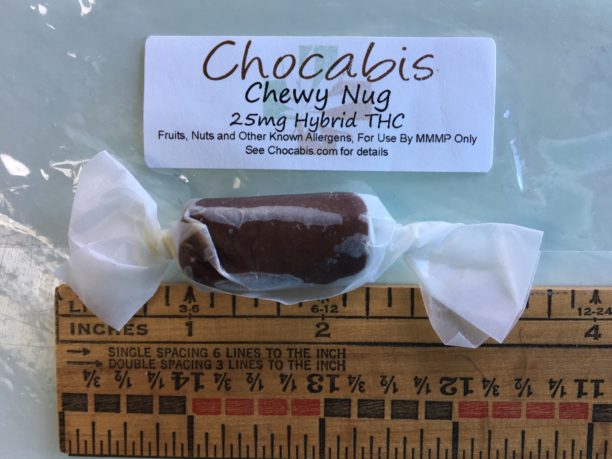
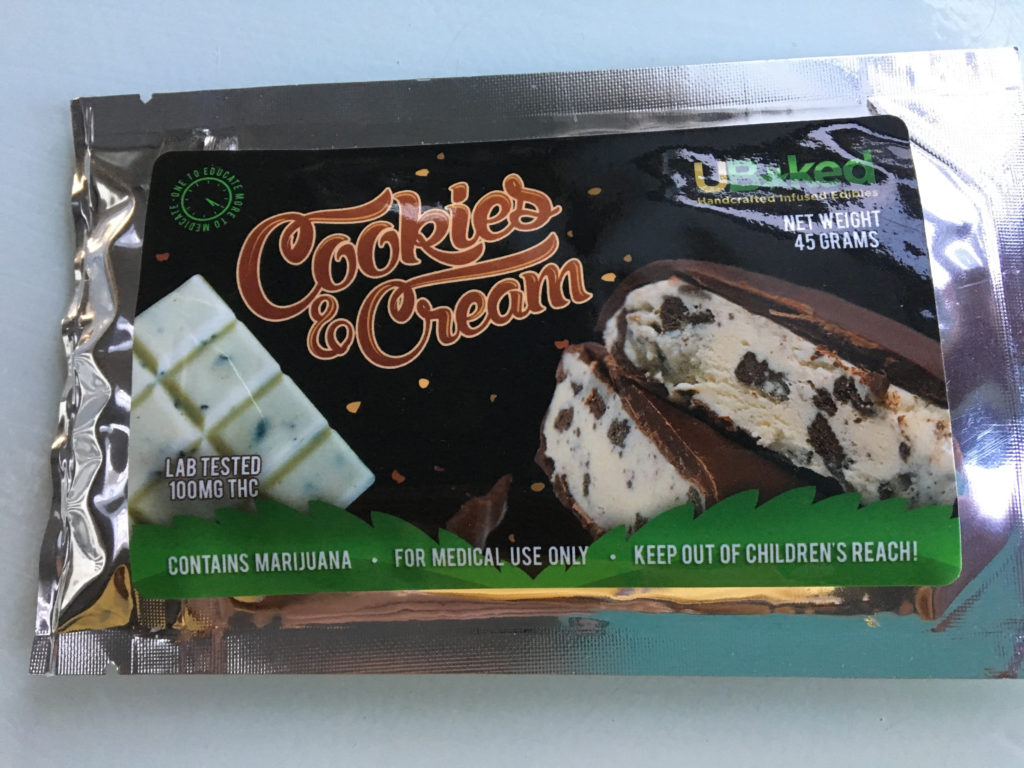 Edibles marijuana or “medibles” are a popular option for cannabis patients, they tend to be a bit less expensive than flower and the effects are longer-lasting. They can be easily dosed, too. The packaging on these products provides the THC potency and that’s where experimentation begins. It’s important to keep two things in mind if you are testing an edible for the first time—a little goes a long way and it takes time to affect your system.